What does ✊🏽 Raised Fist: Medium Skin Tone mean?
✊🏽 is the Raised Fist emoji (✊) with a medium skin tone (🏽, Fitzpatrick type 4) modifier. It means the same as the default yellow version; the skin tone simply lets people represent themselves or the person they are talking about.
Clenched and held high, this fist is a long-standing symbol of solidarity, resistance and strength. It appears around protests, civil rights and social movements, and many people choose a skin tone deliberately when sharing it in support of racial justice. In everyday chats it also means determination – “stay strong”, “we’ve got this”. It differs from 👊, which punches or bumps toward the viewer.
✊🏽 Raised Fist: Medium Skin Tone is an emoji from the People & Body category (hand gestures: closed fingers), added in Emoji 1.0 in 2015. People use it in messages about clenched, hand, punch and solidarity.
Example messages
✊🏽 Raised Fist: Medium Skin Tone on Apple, Google, Microsoft & more
The code is the same everywhere, but every company draws its own artwork. This is how Raised Fist: Medium Skin Tone looks on each platform.


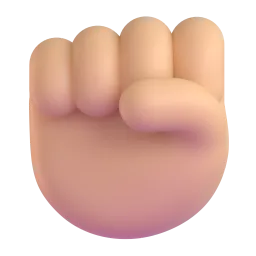

Raised Fist in every skin tone
More hand gestures: closed fingers emojis
See all 8 →Collections with ✊
Raised Fist: Medium Skin Tone emoji: questions & answers
How do I copy and paste the Raised Fist: Medium Skin Tone emoji?
Press the Copy button at the top of this page and ✊🏽 is copied to your clipboard. Then paste it anywhere with Ctrl+V, Cmd+V or a long press on your phone.
When was the Raised Fist: Medium Skin Tone emoji added?
✊🏽 Raised Fist: Medium Skin Tone was added in Emoji 1.0, released in 2015. It is supported on all current versions of iOS, Android, Windows and macOS.
Does the Raised Fist emoji come in different skin tones?
Yes. Besides the default yellow ✊, there are 5 skin tone versions: ✊🏻 ✊🏼 ✊🏽 ✊🏾 ✊🏿. Pick one in the skin tone section above.
Why does ✊🏽 look different on my phone?
Every platform draws its own artwork for Raised Fist: Medium Skin Tone. The underlying code (U+270A U+1F3FD) is the same everywhere, so the person you send it to always gets the same emoji, just in their device’s style. Compare the designs in the platform section above.